Peptide hub
Peptide Therapy: Options, Evidence, Cost and Safety
A plain-language overview of what peptides are, which peptide medicines have approved uses, what off-label and compounded mean, what remains investigational, and how a supervised consultation actually works.
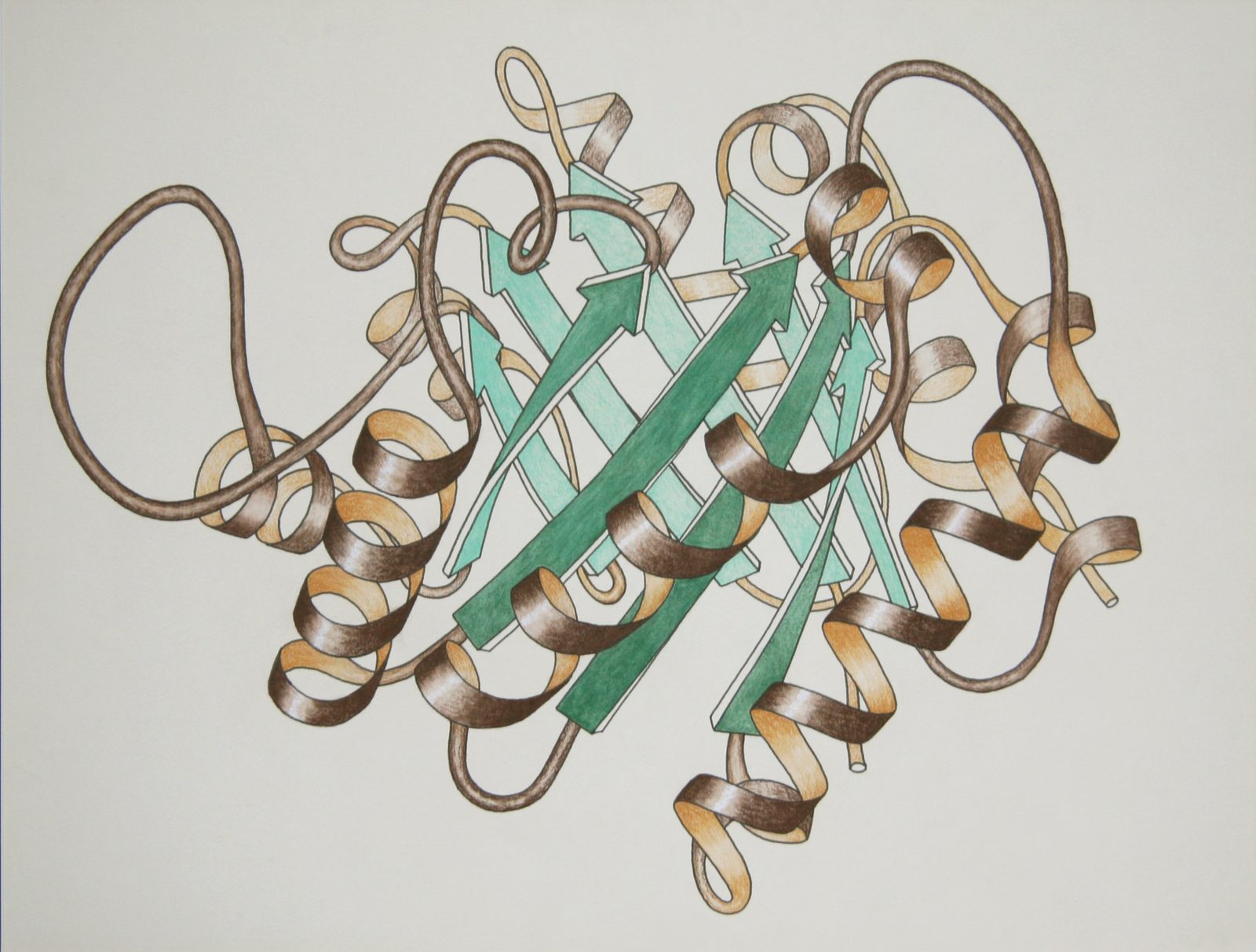
Status of commonly discussed peptides
Status describes regulation, not effectiveness. A substance can be investigational and still be studied seriously; it can also be widely marketed and still lack human evidence.
| Substance | Regulatory status | Human evidence | Guide |
|---|---|---|---|
| Semaglutide | Approved | Large randomized human trials for its approved indications | Read guide |
| Tirzepatide | Approved | Large randomized human trials for its approved indications | Read guide |
| Sermorelin | Approved | Formerly FDA-approved for growth failure in children; withdrawn 2009 | Read guide |
| PT-141 (bremelanotide) | Approved | Approved for one specific indication in one population | Guide in review |
| Retatrutide | Investigational | Largest phase 3 weight losses recorded; no approval, and FDA bars compounding | Read guide |
| Ipamorelin | Investigational | Only human efficacy trials were in postoperative ileus; the published one missed its endpoint | Read guide |
| CJC-1295 | Investigational | Only efficacy trial was terminated in 2006 without results | Read guide |
| BPC-157 | Investigational | Largely animal and in-vitro; FDA evaluated it for ulcerative colitis, not tendon repair | Read guide |
| TB-500 | Investigational | No completed human trial has ever tested it; cited research used a different molecule | Read guide |
| GHK-Cu | Investigational | Two topical human trials, neither beat placebo; no injectable trial exists | Read guide |
What are peptides?
Peptides are short chains of amino acids. Some are approved medicines with decades of trial data behind a specific use. Others exist only as research materials with no approved human indication. The word covers both, which is exactly why the label on a page matters more than the category name.
What off-label prescribing means
A clinician may legally prescribe an approved medicine for a use outside its approval when they judge it appropriate. Off-label is not a loophole and not an endorsement: the strength of evidence for the specific off-label use is the thing to ask about.
What compounded means
A compounding pharmacy prepares a medicine for an individual patient. Compounded drugs are not FDA-approved and are not reviewed by the agency for safety, effectiveness or manufacturing quality. Ask which pharmacy prepares it and how that pharmacy is licensed.
Why research suppliers are different from pharmacies
A pharmacy dispenses on a prescription under state and federal oversight. A research supplier sells materials labeled for laboratory use only, and a research-use disclaimer does not make a product appropriate for a person. Documentation published by a seller is not a substitute for the oversight a prescription carries.
What treatment costs
Published prices generally cover consultation and program fees. Medication, laboratory work and follow-up are frequently billed separately. Our city pages record what clinics publish, with the date observed; anything below three disclosed sources is reported as insufficient rather than estimated.
Are peptides legal?
What the July 2026 FDA vote did, what Category 2 actually contains, and why a recommendation is not an approval.
Safety: known and not
Where safety data comes from, why it is absent for most marketed peptides, and what to ask.
What it costs
A first-party survey of what clinics publish — and the finding that most publish nothing.
GLP-1 pricing
Why two quotes for the same medicine differ by a factor of five, and what changed in 2025.
Find clinician-supervised care
Peptide treatment requires medical evaluation and a prescription where applicable.